BREAKING: Minnesota Governor Tim Walz and the state’s Department of Human Services (DHS) have just announced they lack evidence to support claims of a staggering $9 billion in Medicaid fraud. This statement comes as the U.S. Attorney’s Office reveals six new defendants in ongoing Medicaid fraud investigations.
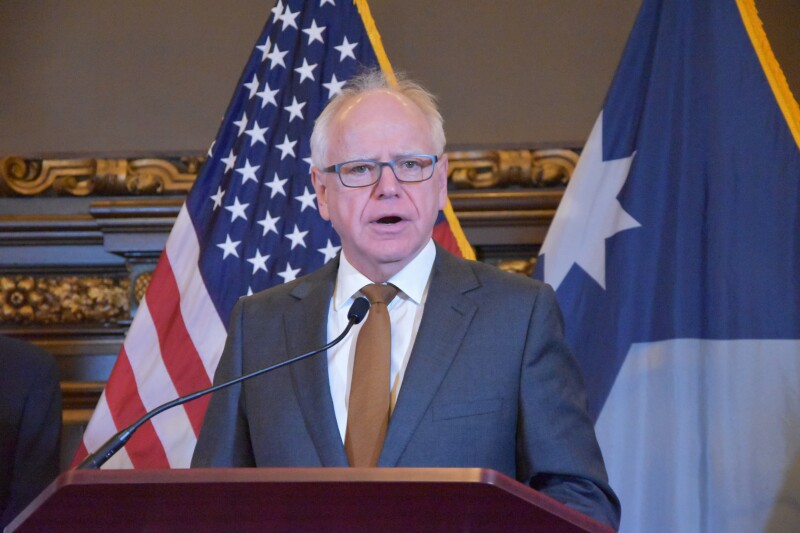
During a press conference in St. Paul on December 19, 2023, officials responded to the alarming estimate released by the U.S. Attorney’s Office, which cited an audit suggesting that approximately half of the $18 billion in claims from fourteen high-risk state Medicaid programs since 2018 could be fraudulent.
First Assistant U.S. Attorney Joseph Thompson stated that his office’s investigations indicate a potential for significant fraud. However, Walz and DHS officials are pushing back against the sensational figure of $9 billion, calling it speculative without solid evidence. James Clark, DHS Inspector General, emphasized, “I haven’t seen any evidence or information to suggest that there’s $9 billion worth of Medicaid fraud.”
Walz criticized the U.S. Attorney’s Office for presenting such high estimates without substantiation, stating, “To extrapolate what that number is for sensationalism… doesn’t help us.” He urged for collaboration to tackle Medicaid fraud effectively and called for concrete evidence to halt fraudulent payments.
DHS Deputy Commissioner John Connolly supported Walz’s stance, noting the state has indications of “tens of millions of dollars” in fraud, but emphasized that they do not possess evidence to support the $9 billion figure. He stated, “If there is evidence, we need it so that we can stop payment.”
This critical issue has sparked significant concern within the state, particularly regarding the impact on legitimate service providers. Walz warned that broad accusations could harm programs delivering essential services, saying, “The vast majority that provided incredible services are now being put at a disadvantage.”
The tension surrounding Medicaid fraud has intensified recently, with sharp partisan divides emerging at the Capitol. Lawmakers have previously collaborated on measures to halt payments to suspected fraudsters, yet trust issues have complicated efforts to share information. Kristin Robbins, chair of the House Fraud Prevention and State Agency Oversight Policy Committee, revealed that whistleblowers within the DHS feel threatened and have not been able to provide vital fraud tips to their colleagues.
As investigations continue, the state has paused enrollments and licenses for new Medicaid providers while further evaluating suspected fraudulent activities. DHS officials are committed to transparency and effective action but require cooperation from federal authorities to address the alleged fraud effectively.
This developing story raises pressing questions about the integrity of Medicaid operations in Minnesota and the urgent need for accurate data to combat fraud without harming legitimate beneficiaries. As state officials continue to seek clarity, the community watches closely for the next steps in this critical fight against fraud.