The U.S. Department of Health and Human Services (HHS) has introduced a series of regulatory actions aimed at effectively banning gender-affirming care for minors. Unveiled on October 26, 2023, these proposals mark the most significant restrictions imposed by the Trump administration on transgender healthcare for children to date. The measures include cutting off federal Medicaid and Medicare funding for hospitals that provide such care and prohibiting the utilization of federal funds for gender-affirming procedures.
The proposed regulations are a continuation of prior efforts by the Trump administration to impose restrictions on transgender individuals. If enacted, these rules would also extend to the State Children’s Health Insurance Program, impacting healthcare coverage for many low-income families. The proposals are not yet final, but they represent a considerable shift in policy regarding transgender healthcare for minors.
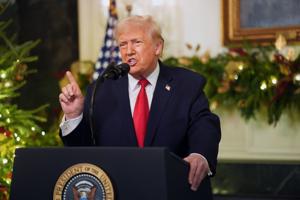
In a related development, President Donald Trump delivered a politically charged speech on Wednesday night, where he criticized Democrats for the economic challenges facing the nation. He reiterated familiar themes, including claims regarding tariffs and their impact on military bonuses. He suggested that revenues from tariffs would fund $1,776 “warrior dividends” for U.S. troops during the Christmas season. However, a senior administration official later clarified to The Associated Press that these checks would actually be financed through pre-approved housing funds.
In the legal realm, Milwaukee County Circuit Judge Hannah Dugan, accused of assisting a Mexican immigrant in evading federal authorities, has not taken the stand during her trial. Her defense team presented limited testimony, and jurors may receive the case later today after closing arguments. The charges against Dugan are unprecedented, reflecting the broader implications of the Trump administration’s immigration policies. Supporters argue that this case aims to intimidate judges who oppose aggressive immigration enforcement.
In other news, the U.S. Treasury Department has sanctioned an additional 29 vessels linked to the transport of Iranian petroleum products, a move that underscores ongoing tensions over Iran’s oil trade. These ships are reportedly part of Iran’s “shadow fleet,” used to generate funds for the Iranian government and associated militant groups. Since January, over 180 ships have faced sanctions related to Iranian oil activities, and the latest round includes restrictions on the companies operating these tankers.
Senate Democrats have also initiated a call for a public hearing regarding the legality of the Trump administration’s maritime operations targeting vessels allegedly carrying drugs, which have resulted in numerous fatalities. The Democrats expressed concerns about potential violations of due process and fundamental human rights stemming from these actions.
Amidst these developments, House Democrats rallied on Capitol Hill, urging House Speaker Mike Johnson to schedule an immediate vote on extending enhanced health care subsidies set to expire at the end of the year. They highlighted the urgency of this matter, especially given projections by KFF, a health research organization, indicating that many enrollees in the Affordable Care Act marketplace could face an average premium increase of approximately 114% without the subsidy.
The political landscape remains turbulent as nearly half of registered voters report financial struggles, according to a recent Fox News poll. This sentiment reflects a growing discontent with the economy and dissatisfaction with the Trump administration’s handling of economic issues.
As the nation grapples with these significant policy changes and economic challenges, the implications of the Trump administration’s actions continue to unfold, shaping the landscape for healthcare, immigration, and international relations.