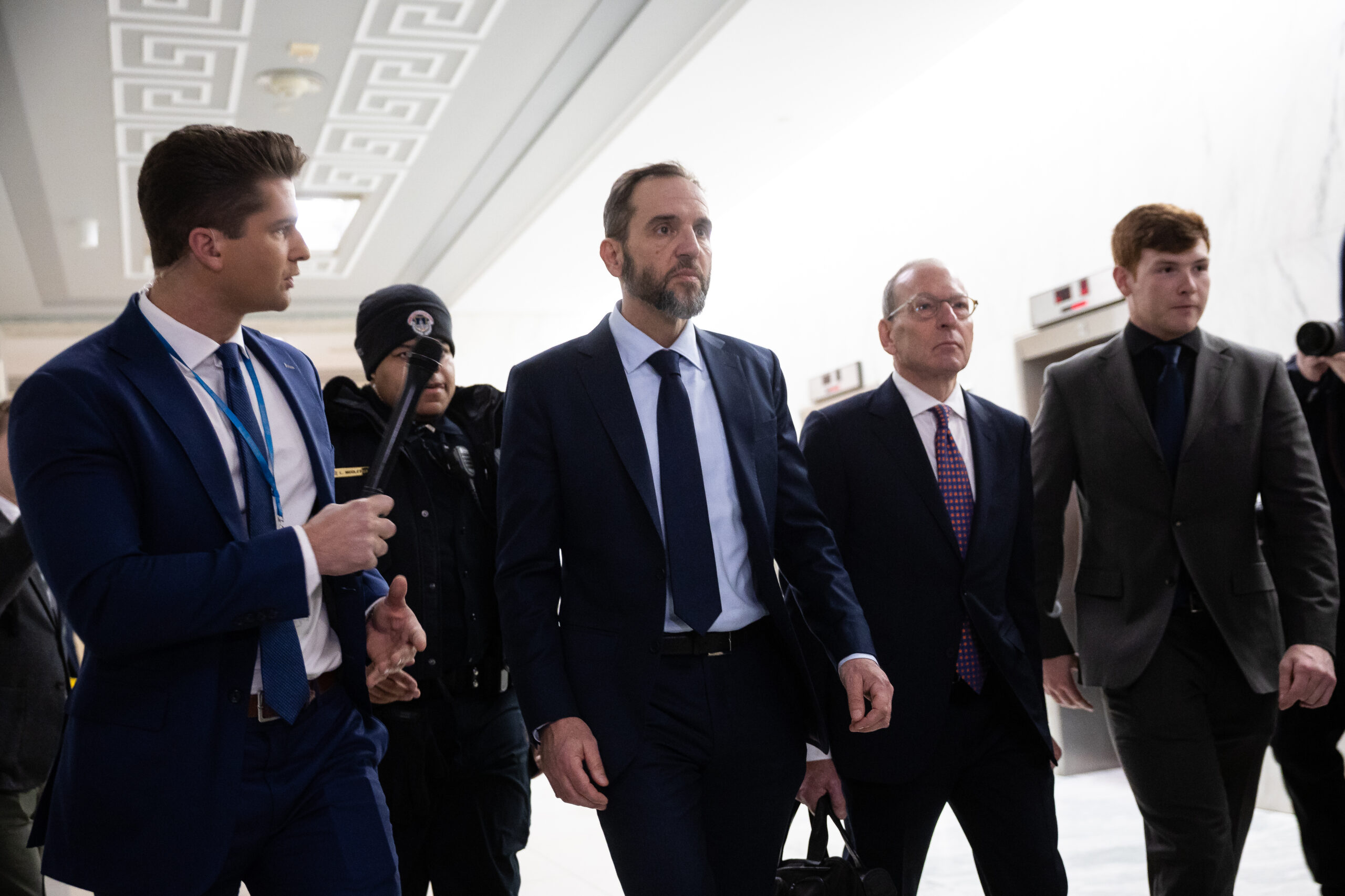
Senator Jim Risch addressed the legality of military actions in the Caribbean during a meeting of the U.S. Senate Foreign Relations Committee on December 11, 2023. He stated that the recent attacks in the region are “absolutely, totally and 100% legal under U.S. law and international law.” This assertion comes amid heightened scrutiny of U.S. military operations abroad and their implications for international relations.
Risch’s comments reflect a stance that aligns with the ongoing debate over the use of force in foreign territories. He emphasized that the strikes conducted by U.S. forces fall within established legal frameworks. The senator’s remarks were made in the context of discussions surrounding the increasing frequency of military engagements in the Caribbean.
Context of Military Engagements
The Caribbean has seen a rise in U.S. military activity, a trend that has raised concerns among various stakeholders, including human rights organizations and local governments. Critics argue that these actions could undermine sovereignty and escalate tensions in the region. In contrast, Risch defended the operations as necessary for national security and the protection of American interests abroad.
During the Senate meeting, Risch outlined the legal justifications cited for these strikes, which include self-defense and the obligation to protect U.S. citizens. He pointed to specific incidents where U.S. military intervention was deemed necessary to counter threats.
Implications for U.S.-Caribbean Relations
The senator’s comments could have significant implications for U.S.-Caribbean relations. While Risch argues that these actions are legally justified, local leaders may view them as infringements on their national sovereignty. As military operations continue, the potential for diplomatic fallout increases.
Moreover, the discussion in the Senate reflects a broader trend of U.S. policy in the region, which often prioritizes security concerns over diplomatic engagement. As the situation evolves, both U.S. lawmakers and Caribbean leaders will need to navigate these complex dynamics carefully.
In conclusion, Senator Risch’s assertions regarding the legality of military actions in the Caribbean underline a critical moment in U.S. foreign policy. As debates continue, the impact of these military operations on both international law and regional relationships remains to be seen. The discussions in the Senate are likely to shape future military and diplomatic strategies in the Caribbean and beyond.