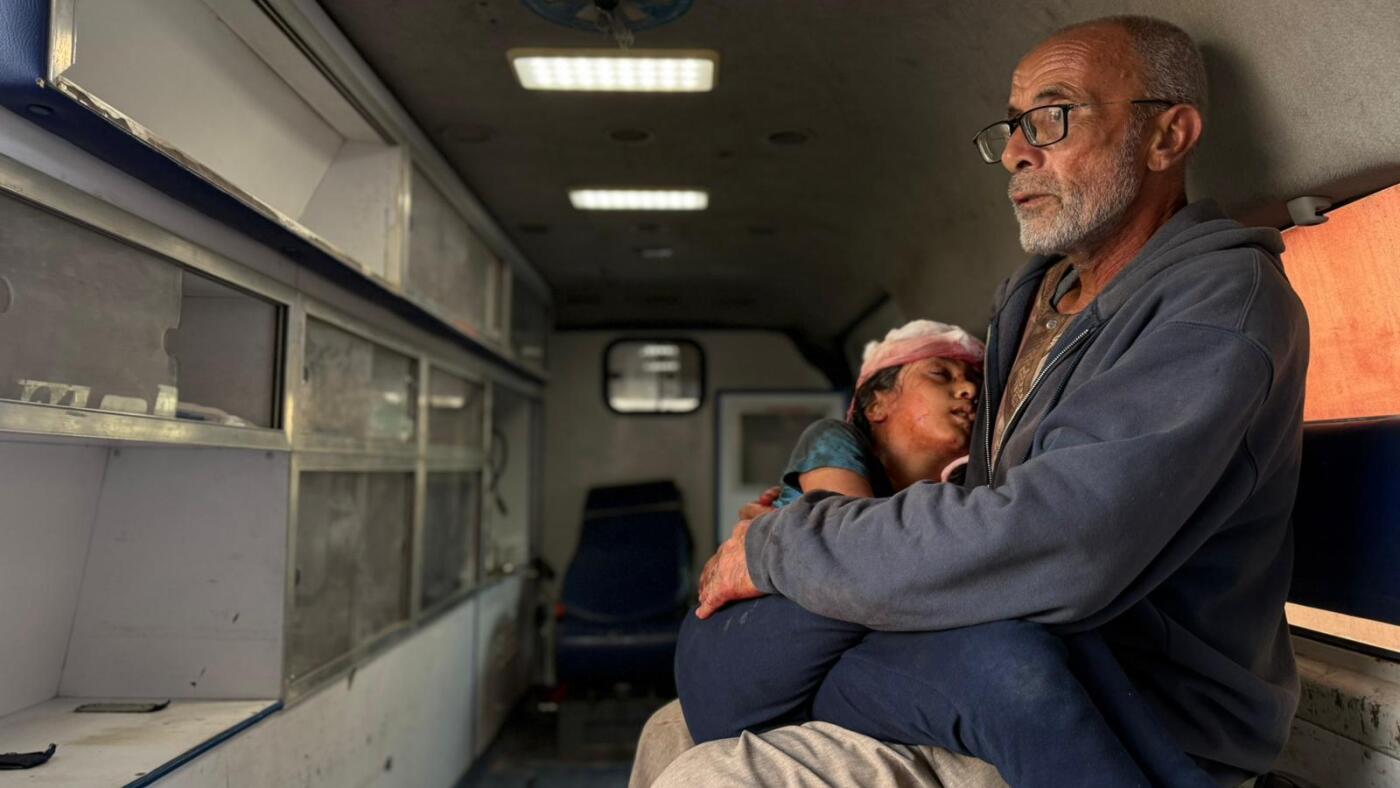
In a tragic incident that highlights the ongoing turmoil in Gaza, 10-year-old Bayan Al-Ankah was reportedly shot and killed by Israeli military forces last week while in a displaced persons camp. This incident is part of a larger context, as hundreds of Palestinians have lost their lives during a ceasefire between Hamas and Israel. Concerns are mounting among mediators, particularly Qatar and Egypt, that Israeli attacks could undermine the fragile truce.
The stability of the U.S.-backed ceasefire is now contingent on two pivotal actions: the deployment of an international force in Gaza and the disarmament of Hamas. As discussions unfold, involved countries are still grappling with fundamental questions about how to implement these measures. The aim is for international forces to be in place by early 2026, but significant obstacles remain.
International Troops: Objectives and Challenges
A document from the U.S. State Department outlines the vision for these international troops, suggesting that they will support the demilitarization of Gaza and dismantle what it describes as terrorist infrastructure. Yet, many nations are hesitant to send troops to engage directly with Hamas concerning its weapons. The United Nations Security Council recently mandated that international troops operate in Gaza through the end of 2027, but the specifics of their role are still unclear.
This week, the U.S. convened representatives from numerous countries in Doha to discuss the establishment of an International Stabilization Force (ISF). Although this was a planning meeting, no countries have formally committed troops yet. Nations such as Italy, Egypt, Indonesia, Azerbaijan, and Turkey have been mentioned among potential contributors.
Turkey’s Foreign Minister Hakan Fidan expressed that Turkey could play a leading role in deploying troops but emphasized that military personnel should serve as peacekeepers rather than engage in the disarmament of Hamas. He stated, “We shouldn’t expect from the ISF work that has not been completed by Israeli security forces.”
Similarly, Egyptian Foreign Minister Badr Abdelatty indicated that his country would not send troops to Gaza for the purpose of forcibly disarming Hamas, advocating instead for a peacekeeping mandate. He noted that the ISF should be deployed as monitors, especially in light of ongoing violations of the ceasefire by Israel.
Israeli Perspectives and the Role of Hamas
Israeli Prime Minister Benjamin Netanyahu expressed skepticism regarding the efficacy of an international force, stating it may not be capable of fulfilling Israel’s primary objective of disarming Hamas. Netanyahu remarked, “Our friends in America want to try and establish a multinational force to do the job. I told them … please, be my guest.”
Israel has also voiced opposition to Turkey’s potential involvement in the ISF, perceiving it as a nation that sympathizes with Hamas. Furthermore, Israel has declared it will not withdraw troops from Gaza until the territory is demilitarized. Majed Al-Ansari, a spokesman for the Qatari Foreign Ministry, highlighted ongoing disagreements about the sequencing of disarmament and troop withdrawal, stating that every delay could jeopardize the ceasefire.
On the other hand, Hamas leaders, such as Bassem Naim, have indicated a willingness to consider disarmament under specific conditions. Naim stated that Hamas is open to a ceasefire lasting up to ten years, during which it would consider laying down arms, provided that Gaza is not attacked. He emphasized that disarmament must be linked to a serious political process leading to a Palestinian state.
Hamas has expressed that it would welcome the ISF as a peacekeeping entity, indicating a readiness to relinquish governance of Gaza to a Palestinian technocratic committee. However, they maintain that any international force should not be stationed in densely populated areas of Gaza.
Discussions surrounding disarmament also involve concerns about whether Hamas would be willing to relinquish not just heavy weaponry but also light arms, especially in light of the Israeli government’s strategy of arming rival factions within Gaza.
Humanitarian Situation and Aid Challenges
The humanitarian crisis in Gaza continues to worsen amid the ongoing violence and political uncertainty. Both Egypt and Qatar have reported that Israel is not allowing the quantity or type of aid agreed upon in the ceasefire deal, despite claims of hundreds of trucks of goods entering daily. The United Nations has indicated that many families in Gaza are struggling, with a quarter surviving on just one meal per day.
Basic medical supplies remain scarce, and the recent severe weather has exacerbated the situation. Reports indicate that over 90% of homes in Gaza have been damaged or destroyed, and more than 70,000 Palestinians have died during the conflict, according to Gaza’s Health Ministry. Aid organizations have expressed concern that Israel is obstructing essential aid that could alleviate suffering, particularly as winter approaches.
In a recent storm, families in Gaza faced life-threatening conditions as their temporary shelters were destroyed. At least two infants have died due to exposure, highlighting the urgent need for adequate housing solutions, such as mobile homes, rather than just tents.
As the situation continues to unfold, the path toward a lasting resolution remains fraught with challenges, both politically and humanitarianly. The international community watches closely as discussions progress and as the people of Gaza await much-needed relief.