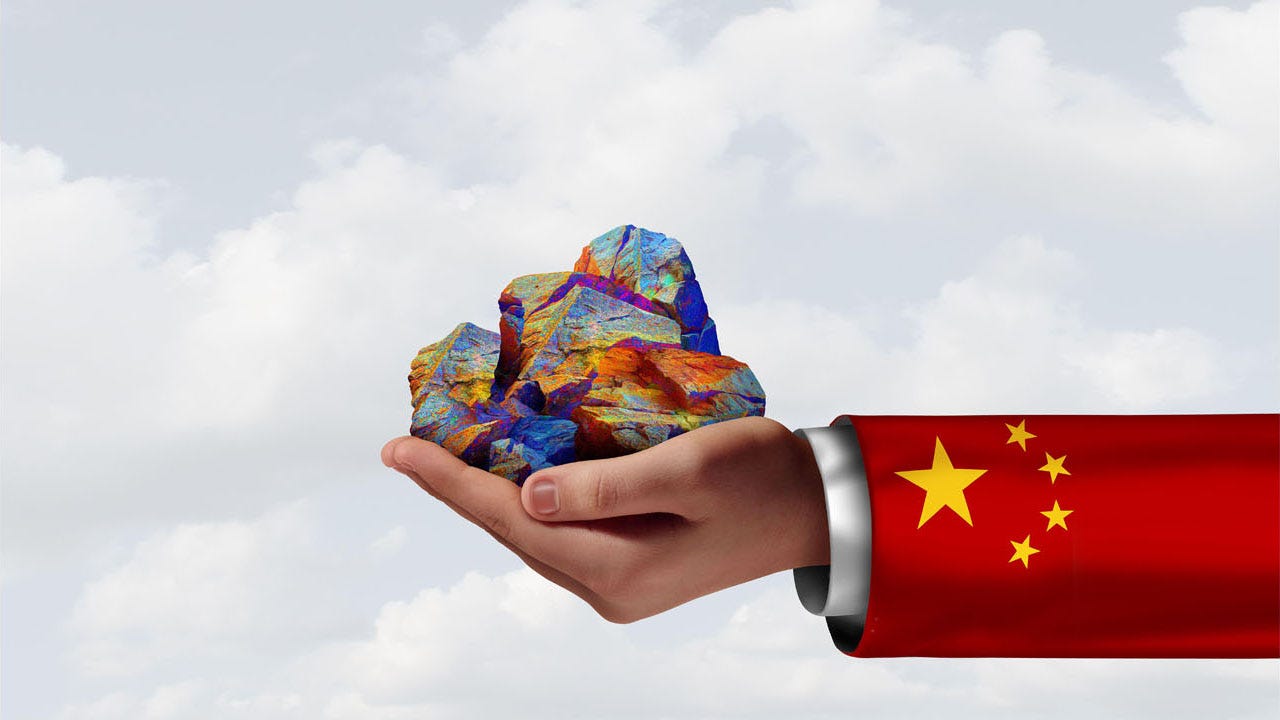
UPDATE: A critical trade agreement announced in November 2023 has temporarily stabilized the supply of rare earth elements (REEs), essential for semiconductor production and data center operations. However, experts warn that the underlying risks of dependence on a single supplier—China, which controls approximately 70% of the global supply—remain a pressing concern for Chief Information Officers (CIOs).
Despite the current calm, the potential for disruptions looms large. According to Cori Masters, Senior Research Analyst Director at Gartner, the agreement does not eliminate the dangers associated with relying heavily on China for REEs, which are integral to numerous technologies, from smartphones to electric vehicles. “It’s still viewed from a supply chain perspective as a detrimental reliance on a single geography,” Masters stated.
Reports confirm that while there are no immediate delays in server equipment deliveries, longer lead times are becoming more common. The rare earth panic may have subsided for now, but the situation is fluid. Ashish Nadkarni, Group Vice President of IDC, emphasized the subtle pressures that these supply chain vulnerabilities create. “The cost will show up in a premium,” Nadkarni explained, likening the situation to grocery prices that rise without clear explanations.
CIOs face significant challenges in navigating this complex supply chain. Rare earths are often embedded deep within the supply tiers, making it difficult to assess their impact on the availability of critical tech components. Research indicates that these materials are typically hidden in the Tier 3 to Tier 5 segments of the supply chain. As Masters noted, “CIOs are rarely thinking about the components when sourcing equipment; they just want fair prices and timely delivery.”
With the current geopolitical climate and trade dynamics, it is imperative for CIOs to enhance their visibility into their supply chains. Experts recommend that CIOs demand greater transparency from Tier 1 vendors and actively seek to understand their suppliers’ material sourcing. “CIOs should look for indications within their supply base that they are running out of materials,” Masters advised.
To mitigate these risks, CIOs should consider leveraging supply chain risk management software tailored to their industries. The need for a centralized system is urgent, as rare earths are not just confined to IT hardware; they are present across various sectors, including defense, healthcare, and clean energy.
Looking to the future, diversification of sourcing is key. While China currently dominates the REE market, countries like the U.S. and Australia are ramping up efforts to extract these critical materials sustainably. CIOs are encouraged to support these initiatives and adjust their procurement strategies accordingly. Investing in alternative sources and recycling technologies, although currently costly and time-consuming, may be crucial for long-term supply chain resilience.
As the global tech landscape continues to evolve, the urgency for CIOs to address these supply chain vulnerabilities cannot be overstated. The stability of the tech industry hinges on proactive measures to ensure that access to rare earths is diversified and secured against potential shocks.
Stay tuned for further updates as the situation develops, and consider sharing this information with colleagues who need to stay informed about the implications of rare earth supply risks on technology operations.