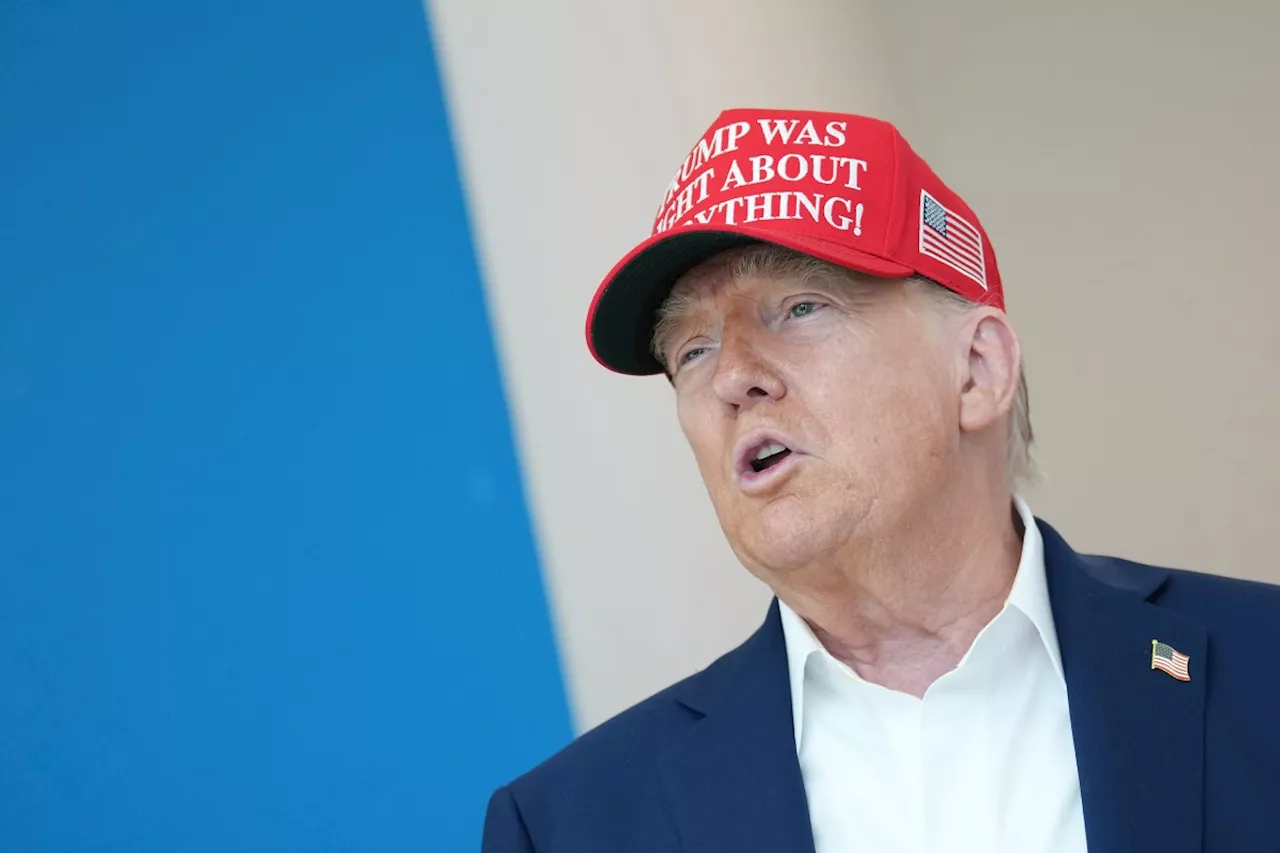
UPDATE: Former President Donald Trump is calling for an immediate halt to the proposed Nexstar Media Group and TEGNA, Inc. merger, citing severe risks to local news integrity. This urgent plea comes as concerns mount that the merger would create a media giant controlling 265 TV stations and reaching over 80 percent of American households, far exceeding regulatory limits established two decades ago.
The merger threatens to homogenize local news coverage, undermining the crucial role that community-focused journalism plays in American society. Trump’s intervention highlights growing fears that the consolidation of media power will lead to a “one-size-fits-all” approach, diluting the diversity and quality of local reporting.
In a critical statement, Trump remarked, “Allowing this merger would jeopardize the very fabric of local journalism,” emphasizing the need for regulatory bodies like the Federal Communications Commission (FCC) to scrutinize such deals thoroughly. This merger could mirror the troubling trends seen in print media, where local newspapers have been swallowed by larger entities, leading to a drastic reduction in local news coverage.
The implications of this merger are profound. Recent studies indicate that local news is pivotal in shaping political narratives and community engagement. By potentially diminishing the variety in news coverage, the Nexstar-TEGNA deal risks contributing to what critics describe as the “dumbing down” of America.
Additionally, if approved, the merger could exacerbate rising costs for consumers. Retransmission fees charged by broadcasters to cable and satellite companies have skyrocketed by more than 2,000 percent over the past 15 years. As station groups consolidate, viewers may face even higher costs for accessing local news.
Newsmax CEO Chris Ruddy has voiced strong opposition to the merger, asserting that the proposed audience reach exceeds the national limits designed to protect the integrity of local media markets. “This is not merely a bureaucratic rule; it is a safeguard for the American public,” Ruddy stated, reinforcing the importance of maintaining local journalism’s independence from national influences.
The regulatory landscape surrounding media consolidation has changed since the Reagan era, when measures were put into place to prevent media monopolies. Observers argue that the FCC must uphold these standards to ensure a diverse media landscape that reflects the complexities of local communities.
As this situation develops, stakeholders and citizens alike are urged to monitor the proceedings closely. The potential approval of this merger could set a dangerous precedent for future media consolidations, impacting how local news is reported across the country.
In the wake of Trump’s intervention, attention now turns to how the FCC will respond to this significant challenge. Will they prioritize the public’s interest in preserving local news, or will the push for media consolidation prevail? The next steps from regulators will be critical in determining the future of local journalism in America.