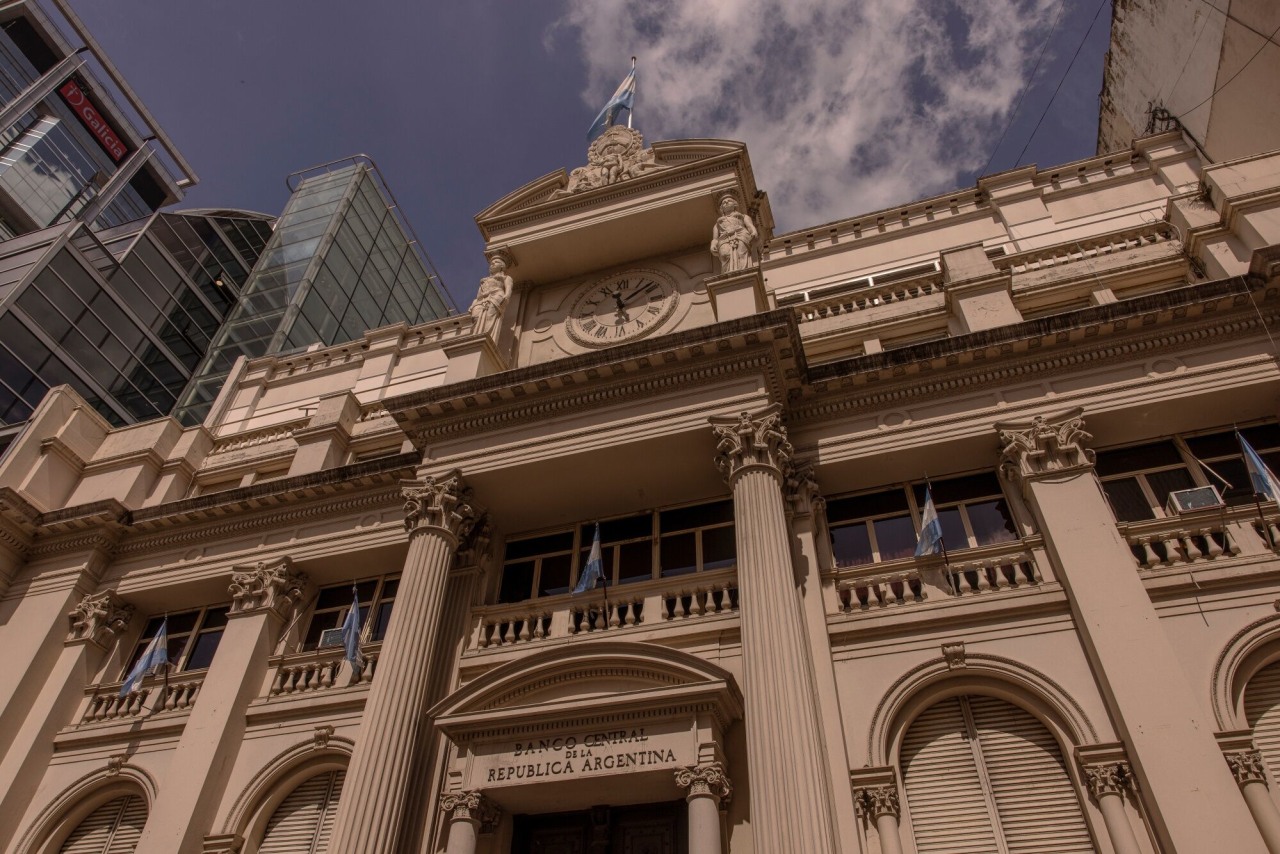
The Central Bank of Argentina has announced a significant change to its currency band in an effort to address the overvaluation of the Argentine peso. This adjustment aims to stabilize the currency and rebuild the nation’s dwindling international reserves. The announcement comes just days after the new president, Javier Milei, took office, marking an immediate shift in the country’s economic strategy.
In a statement issued on November 1, 2023, the Central Bank indicated that the adjustment to the currency band would allow for greater flexibility in the peso’s value. The move is seen as critical for restoring investor confidence and stabilizing an economy that has faced years of inflationary pressures and currency devaluation.
Implications for the Economy
The decision to ease controls on the peso is particularly important given Argentina’s ongoing negotiations with the International Monetary Fund (IMF). The country has been working to secure financial support amid a severe economic crisis characterized by soaring inflation rates, which are projected to reach over 140% by the end of the year. By adjusting the currency band, the government hopes to create a more realistic exchange rate that reflects market conditions.
Economic experts have noted that this strategy could help to attract foreign investment, which is essential for revitalizing the economy. The Central Bank’s move is also expected to ease some of the pressures on local businesses that have struggled with currency restrictions and fluctuating exchange rates.
The peso’s devaluation has been a contentious issue within Argentina, affecting everything from consumer prices to corporate profits. Many Argentine citizens have felt the impact directly, as the cost of basic goods continues to rise. The government aims to ensure that this adjustment does not exacerbate inflation further, a key concern for Milei’s administration.
Future Outlook and Challenges
While the adjustment marks a critical first step, challenges remain. The government’s ability to manage the new currency band effectively will be closely monitored by both domestic and international observers. Analysts suggest that achieving stability in the peso will require continued economic reforms and strategic planning.
Milei’s administration has indicated a commitment to addressing the economic challenges head-on, but the success of these measures will depend on various factors, including global market conditions and domestic political stability. As Argentina navigates this complex landscape, the eyes of the world will be on the Central Bank’s next moves and their impact on the nation’s path to recovery.
This adjustment not only reflects a shift in monetary policy but also signals a broader change in how Argentina plans to engage with international financial systems. The coming months will be crucial in determining the effectiveness of these policies and the overall economic trajectory of the country.