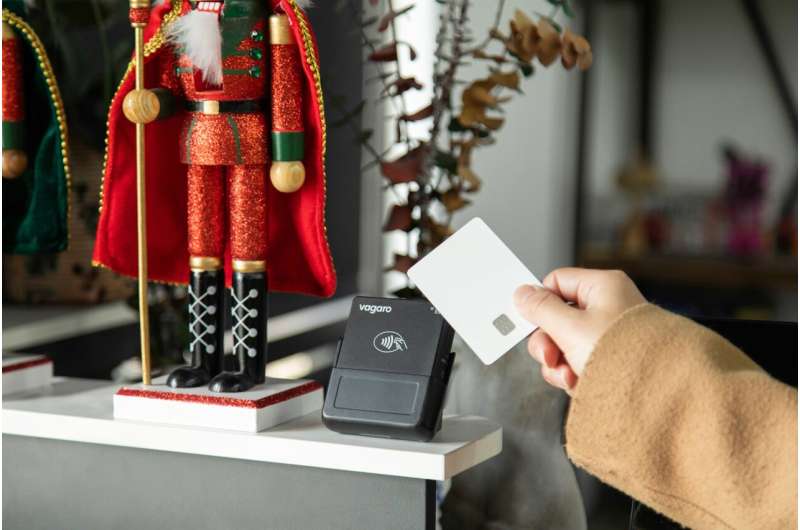
The rising trend of “checkout charity” requests at retail stores is leaving many shoppers feeling uncomfortable and pressured, especially during the busy holiday shopping season. This practice, where cashiers ask customers for small donations while processing their purchases, has proven successful for many retailers but may come with unintended consequences for both businesses and charities.
In Australia, the clothing retailer Cotton On raised approximately A$20 million through these campaigns in 2024 alone. Similarly, in the United States, Domino’s has raised over US$126 million for St. Jude Children’s Research Hospital over two decades by inviting customers to round up their bills for donations. While these initiatives appear beneficial at first glance, recent research indicates that they may evoke negative feelings among consumers.
Consumer Reactions to Checkout Charity Requests
A study conducted by researchers, including Arvid O. I. Hoffmann and David Matthews, surveyed 329 consumers about their experiences with checkout donation requests. The findings revealed that many respondents felt pressured, guilty, or anxious when asked to donate at the checkout, particularly during the festive season when financial strain is often heightened.
Participants expressed their discomfort with comments like, “The grocery store has a lot more money than I do. Why am I the one expected to make a donation?” and “I feel like they are using the social construct of societal shame to coerce people into donating.” Such negative emotions can lead to a decrease in customer satisfaction and a reluctance to return to the store.
The pressure of making a quick decision, combined with the presence of other customers and cashiers, creates an environment where shoppers feel judged. This often results in skepticism about the motives behind the donation requests. Many customers suspect that companies are more interested in improving their public image than genuinely helping those in need. Some worry that not all contributions reach the intended cause.
Improving Checkout Charity Strategies
To ensure that checkout charity campaigns do not backfire, retailers can adopt several strategies. One effective approach is to introduce information about donation opportunities earlier in the shopping journey. For instance, Woolworths successfully flagged its Easter appeal in advance, reducing the element of surprise at the checkout.
Additionally, designing payment screens that allow for private donation choices can alleviate feelings of being watched or judged. This method has already been implemented in some self-service checkouts across supermarkets. Engaging customers through emotionally compelling stories about those benefiting from the donations, rather than merely presenting statistics, can also enhance their willingness to contribute.
Transparency is paramount. Companies should communicate clearly about how funds are collected, where they are allocated, and the impact they create. By fostering trust and reducing customer skepticism, businesses can create a more positive checkout charity experience.
As retailers navigate the balance between fundraising and customer satisfaction, it is crucial to recognize the potential emotional consequences of checkout charity requests. By adopting more considerate practices, companies can ensure that their goodwill efforts do not lead to guilt among shoppers but instead foster a spirit of generosity this holiday season.