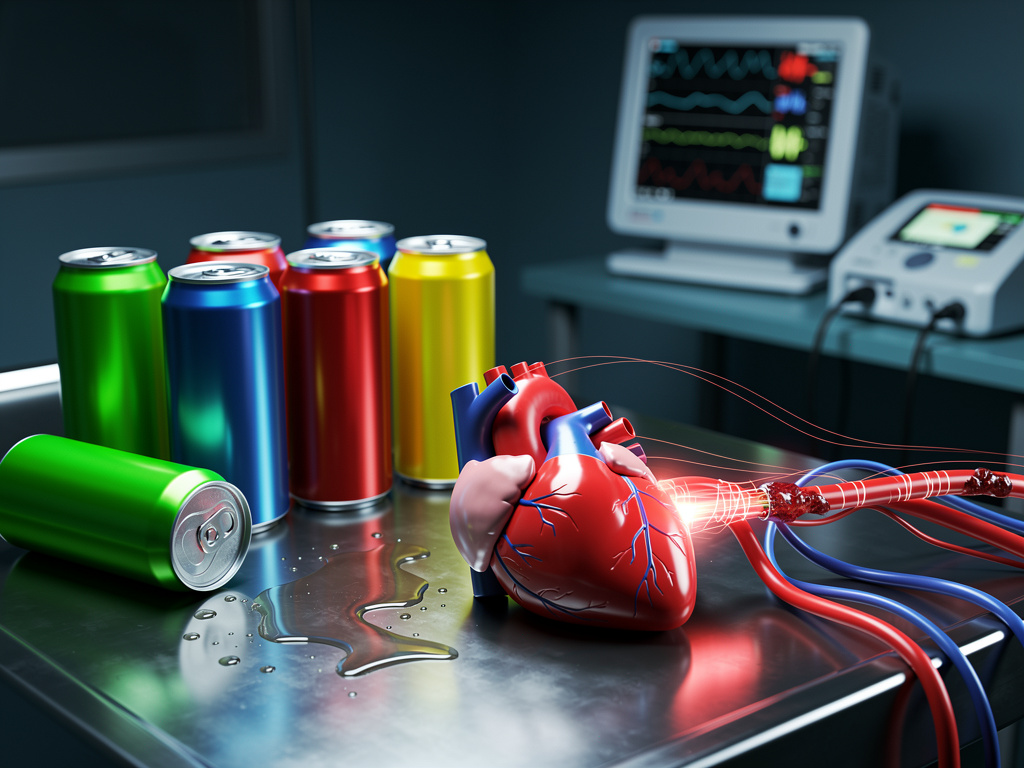
A 50-year-old warehouse worker suffered a minor stroke, with health experts attributing the incident to his excessive consumption of energy drinks. The case, detailed in a report published in BMJ Case Reports, highlights the potential dangers of high-caffeine beverages that have become popular among those seeking quick boosts in energy.
The man, who had no prior health issues, arrived at the emergency room displaying classic stroke symptoms, including slurred speech and facial droop. Upon examination, medical staff recorded his blood pressure at a staggering 254/150 mmHg, significantly above the emergency threshold of 180/120 mmHg. His medical history revealed that his only notable risk factor was the daily intake of energy drinks, consuming around eight cans per day, each containing approximately 160 mg of caffeine. This totals over 1,280 mg of caffeine daily, more than three times the recommended limit for adults.
Following treatment, doctors identified a small blood clot in the patient’s brain as the cause of the stroke. Although he received prompt medical attention, permanent damage occurred. His blood pressure only returned to normal levels after he stopped consuming energy drinks, suggesting a direct correlation between his consumption habits and the severe health incident.
Health experts have long warned about the cardiovascular risks associated with energy drinks, which often combine caffeine, taurine, and high sugar content. These ingredients can disrupt heart rhythms and elevate blood pressure, potentially leading to stroke and other serious health issues.
Ingredients and Health Risks
High doses of caffeine, the primary stimulant found in energy drinks, can constrict blood vessels and raise blood pressure. The addition of taurine, which affects heart function, along with excessive sugars, creates a hazardous concoction that may lead to cardiovascular strain. The patient’s severe hypertension was likely exacerbated by chronic exposure to these drinks, contributing to endothelial dysfunction—the impaired ability of blood vessels to dilate properly.
Research has indicated that energy drink consumption can prolong QT intervals on electrocardiograms, increasing the risk of fatal arrhythmias. Anecdotal reports on social media platforms have emerged, with many users, including medical professionals, sharing experiences of heart palpitations and other alarming symptoms associated with energy drink use.
According to The Guardian, doctors emphasize the need for public awareness regarding these risks, particularly for shift workers and young adults who frequently rely on energy drinks for alertness.
Wider Implications and Regulatory Concerns
This incident is not an isolated case. Other reports have documented similar health issues related to energy drink consumption. For instance, CNN highlighted the lasting damage the patient incurred despite his previously healthy lifestyle. Neurologists noted that while quitting the drinks stabilized his blood pressure, some neurological deficits remained, serving as a stark reminder of the potential consequences of overconsumption.
The energy drink market has seen rapid growth, with global sales exceeding $50 billion annually. However, regulation surrounding these products remains insufficient in many regions. In the United States, energy drinks are classified as dietary supplements, which means they do not face the same scrutiny as sodas or medications. This classification allows manufacturers to include high caffeine levels without mandatory warnings about associated health risks.
Recent analyses, such as those from MedPage Today, suggest that reducing high-caffeine intake could mitigate some of the associated health risks, as demonstrated in the patient’s case. Despite normalizing his blood pressure, the long-term effects of the stroke lingered.
As discussions about the dangers of energy drinks gain traction on social media, many users recount personal stories of adverse effects. Reports have emerged warning against the over-reliance on these beverages for energy, with one thread noting the potential for increased blood pressure and even sudden death.
In light of this case, medical professionals recommend better labeling and education regarding energy drink consumption. While some countries in Europe already mandate warnings for high-caffeine products, the implementation remains inconsistent.
The patient’s recovery involved lifestyle changes, including improved hydration and exercise, which helped manage lasting effects. Medical experts advise screening for blood pressure in frequent energy drink users and recommend limiting consumption to no more than one can per day.
Awareness of the risks associated with energy drinks is growing, driven by both media coverage and public discourse. This incident serves not only as a cautionary tale for consumers but also as a potential catalyst for policy changes regarding the marketing and regulation of energy drinks. As new research emerges, the conversation surrounding safe consumption practices continues to evolve, highlighting the need for moderation in a culture that often prioritizes energy over health.