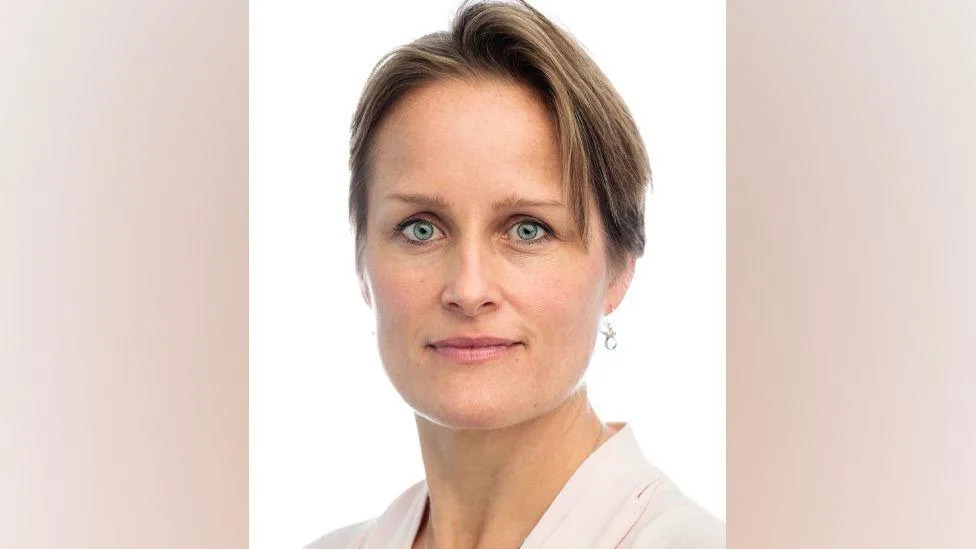
The new head of MI6, Blaise Metreweli, is set to deliver a stark warning regarding the heightened threat posed by Russia during her inaugural public address. In her speech, scheduled for later today, Metreweli will emphasize the dangers of hybrid warfare, which encompasses cyber attacks and drone incidents linked to Russian proxies operating near critical infrastructure. She plans to characterize this situation as “an acute threat posed by an aggressive, expansionist and revisionist Russia.”
Metreweli, who became the first female leader of Britain’s Secret Intelligence Service on October 1, 2023, will specifically address the ongoing war in Ukraine. She asserts that the United Kingdom remains committed to maintaining pressure on President Vladimir Putin in support of Ukraine. The address will also highlight recent sanctions imposed on Russian entities accused of engaging in information warfare, as well as sanctions on two China-based companies for their “indiscriminate cyber activities against the UK and its allies.”
Despite the impact of Western sanctions on the Russian economy, which have redirected its exports towards China and India, there has been little to deter Putin’s determination to continue the conflict in Ukraine. Metreweli’s speech underscores her strong focus on technological advancements. After joining MI6 in 1999, she has risen through the ranks via the agency’s Q Branch, which develops covert communication technologies for intelligence operatives.
In her upcoming address, Metreweli is expected to urge intelligence officers to develop proficiency in technology, stating, “We must be as comfortable with lines of [computer] code as we are with human sources, as fluent in Python as we are in multiple languages.” The mention of Python, a widely used programming language, reflects her understanding of the evolving landscape of espionage, where traditional methods must adapt to the digital age.
As this focus on technology unfolds, the Chief of the Defence Staff, Sir Richard Knighton, will also speak today at the Royal United Services Institute in London. He will advocate for a comprehensive approach to national resilience in light of increasing threats. Knighton is expected to argue that defense and resilience must be prioritized across society, not just within military circles.
In his address, Knighton will highlight the dangers as greater than at any point in his career, asserting that Russia is intent on challenging NATO’s stability. He will advocate for a national response that extends beyond military fortification, urging collaboration across various sectors, including education and industry. “A new era for defence doesn’t just mean our military and government stepping up – it means our whole nation stepping up,” he will say.
In addressing the skills gap noted by the Royal Academy of Engineering, Knighton will announce a significant investment of £50 million towards establishing new defence technical excellence colleges. This initiative aims to engage both industry and young people in the pursuit of advanced skills necessary for national security.
The discussions surrounding national service have gained momentum recently, with both France and Germany outlining plans for voluntary national service. In the UK, a previous government proposal for compulsory service was criticized by the opposition as a mere gimmick. As the dialogue intensifies about how to best equip Britain for an uncertain future, the urgency for collective action is becoming increasingly clear.
With tensions rising and the threat landscape evolving, the calls from both Metreweli and Knighton highlight the pressing need for a unified and proactive approach to national security.