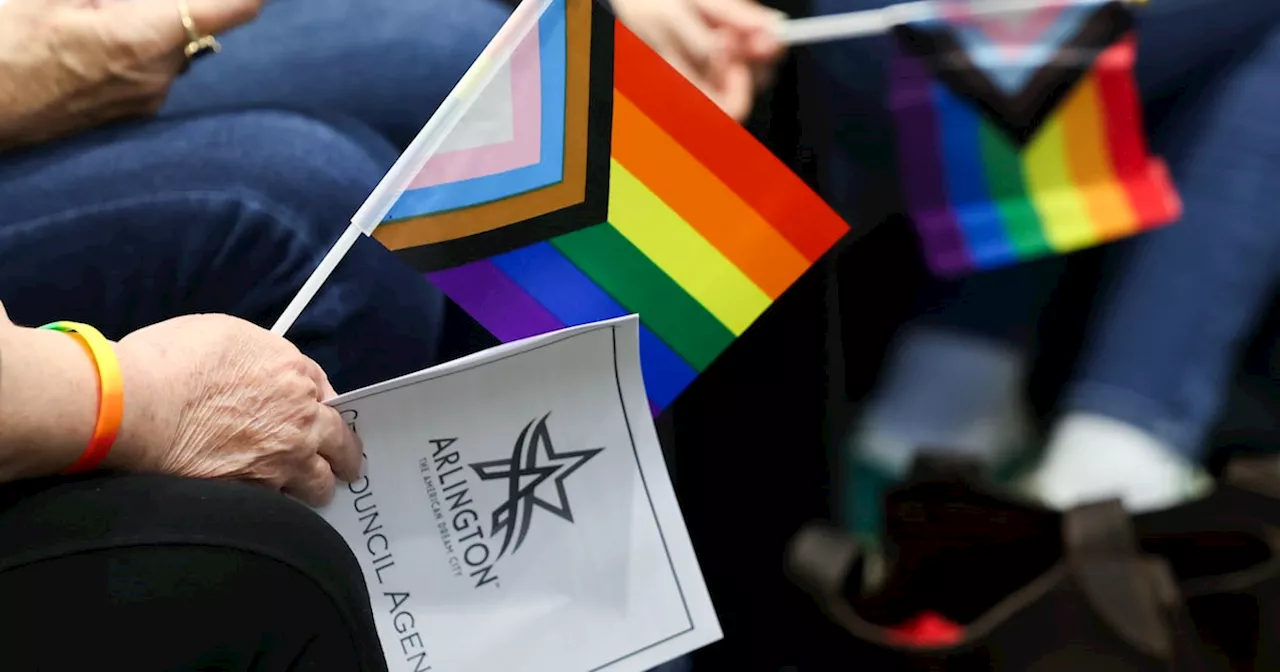
Arlington Pride, a significant celebration of LGBTQ+ identity in North Texas, has been canceled for 2026 following the City Council’s decision to reject a proposal aimed at prohibiting discrimination against gay and transgender residents. The council’s vote on December 9, 2025, ended a months-long debate over local LGBTQ protections, which had previously been enshrined in a city ordinance.
The ordinance, which banned discrimination based on sexual orientation and gender identity in housing, employment, and public services, was initially adopted to promote a safe and inclusive environment. However, it was suspended in September 2025 due to concerns that Arlington might risk losing over$60 million in federal funding after statements from former President Donald Trump regarding financial penalties for cities with such protections.
DeeJay Johannessen, CEO of the HELP Center for LGBT Health and Wellness, expressed disappointment in the decision, stating, “Pride is about safety, celebration, and community. Without local anti-discrimination safeguards, we cannot guarantee those values for our attendees, performers, or partners.” The organization, which operates in Arlington and Fort Worth, indicated that it would not promote events in a city that does not provide fundamental protections for its LGBTQ residents.
Arlington Pride has grown since its inception in 2021, attracting over 15,000 attendees to its events this past June. The cancellation of the upcoming celebration marks a significant shift for a community that has rallied for inclusivity and acceptance, especially in a state where protections for LGBTQ individuals remain sparse. While cities like Dallas, Fort Worth, and Plano have implemented their own anti-discrimination ordinances, Texas lacks a statewide policy protecting sexual orientation and gender identity.
The recent council vote, which concluded with a 5-4 decision against restoring the protections, underscored a divide among council members. Some, like Rebecca Boxall, who voted against the ordinance, questioned its enforceability and labeled it “bad policy.” Boxall argued, “From the very beginning, it was unenforceable at the city level. It’s just misleading.”
In contrast, Mayor Jim Ross, who supported the restoration of protections, emphasized the importance of creating a welcoming environment. He stated, “Arlington is one of the most welcoming places. We want everyone to know they can feel safe and comfortable here.” The mayor has pledged to revisit the issue in the coming weeks, indicating that the fight for inclusivity in the city is far from over.
Reactions to the cancellation of Arlington Pride have varied on social media. Some members of the LGBTQ community expressed their reluctance to engage with a city that does not prioritize their safety and rights. Conversely, others suggested that the cancellation could galvanize a larger, more vibrant event in the future, calling for even louder expressions of pride and solidarity.
Pride celebrations have a long history in the United States, originating in 1970 to commemorate the anniversary of the Stonewall riots and the ongoing struggle for LGBTQ rights. The decision to cancel Arlington Pride serves as a stark reminder of the challenges faced in advocating for equality and acceptance at local levels.
As discussions continue regarding the future of LGBTQ protections in Arlington, community leaders and advocates remain committed to fostering a safe and inclusive environment for all residents. The outcome of this situation will likely influence not only local celebrations but also the broader movement for LGBTQ rights across Texas and beyond.