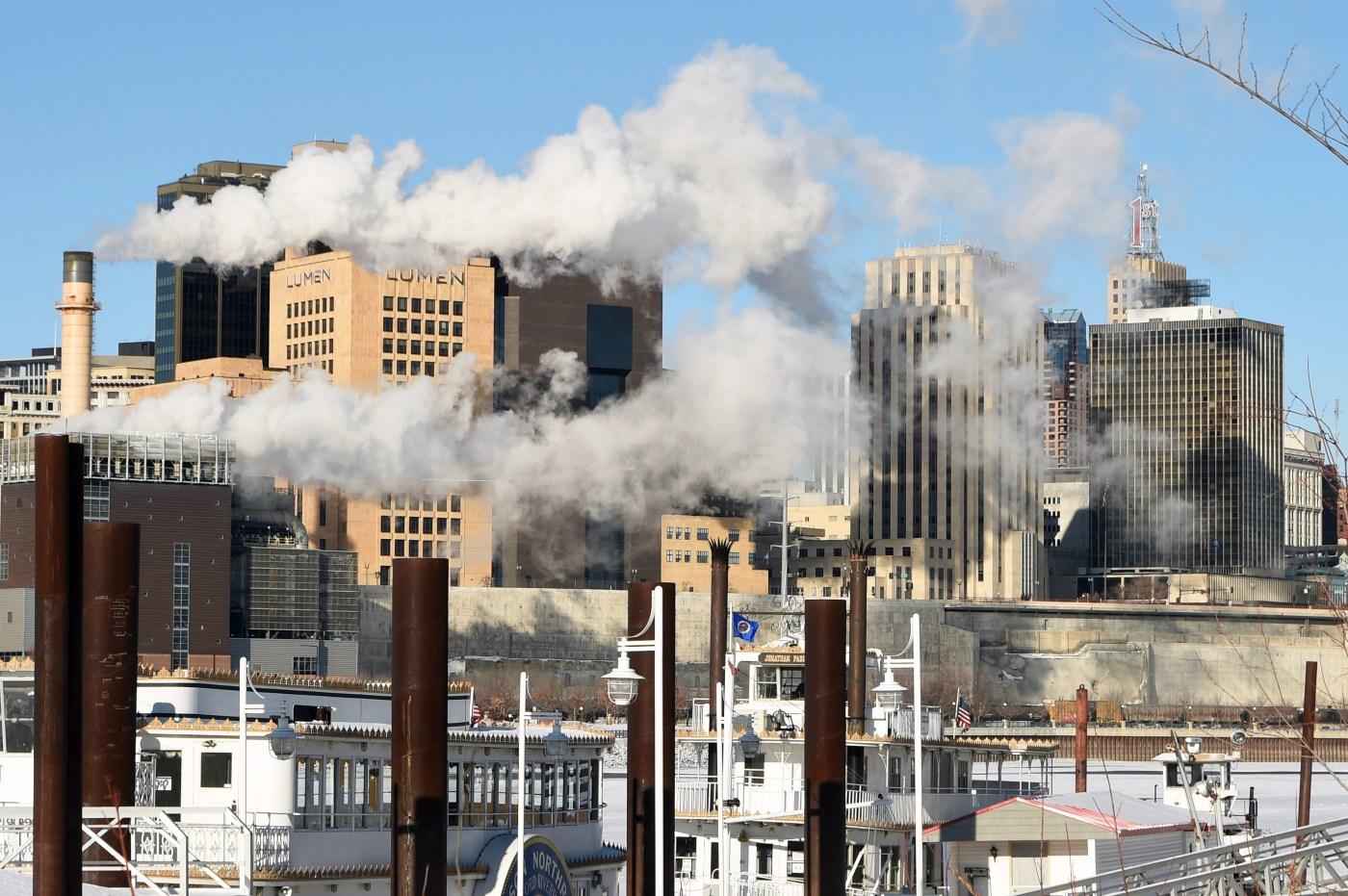
The City of Saint Paul has approved a significant budget increase aimed at revitalizing its downtown area, allocating an additional $5 million to the Department of Planning and Economic Development. This investment is part of a broader strategy to enhance the vitality and housing options in the city’s core, addressing challenges that have persisted since the pandemic.
Before the pandemic, downtown Saint Paul contributed only 12% of the city’s tax revenues, significantly lower than peer cities like Minneapolis, which averaged 22%. The city aims not merely to recover lost revenues but to significantly elevate the proportion of tax income generated by downtown. According to Joe Spencer, president of the Saint Paul Downtown Alliance, the approved funding reflects an urgency to tackle the issue head-on.
Strategic Investments and Community Engagement
Spencer emphasizes the importance of strategic investments that can unlock benefits for the entire city. The Downtown Investment Strategy, released in March 2024, outlines plans to increase density and desirability in the downtown area. The strategy includes a feasibility study indicating that many existing buildings are well-suited for conversion into residential spaces, providing Saint Paul with a competitive edge over other urban areas facing similar challenges.
Recent transformations, such as the renovation of the Landmark Towers and the near-completion of the Stella Apartments, illustrate the potential for converting obsolete office spaces into housing. These projects not only fill vacant buildings but also stimulate street-level activity, ultimately benefiting local businesses and enhancing the overall urban experience.
As additional conversions, such as the Hamm Building and the Galtier, progress toward completion, the momentum for revitalization is palpable. Spencer asserts that these projects are just the beginning of what is necessary to advance the health and wellbeing of the city.
Future Goals and Community Initiatives
The Downtown Investment Strategy aims to add 20,000 new residents to the city center. With current apartment occupancy rates at 96%, demand for housing is evident. An increase in residents is expected to broaden the tax base and foster healthier retail and restaurant environments, thereby enhancing safety through increased pedestrian activity.
While the $5 million investment is a critical first step, Spencer underscores that additional resources from the city, county, and state will be essential for a robust recovery of the downtown tax base. The strategy outlines various key development projects, such as the RiversEdge development and the renovation of the Grand Casino Arena Complex, as pivotal to achieving these goals.
The Downtown Alliance is currently engaged in a community outreach initiative titled “Reimagine Downtown Saint Paul: Transforming the Core.” This comprehensive effort seeks to gather public input and shape a shared vision for the future of the downtown area. The initiative aims to ensure that community, business, government, and investors work collaboratively to unlock real progress for the benefit of residents and the region.
In conclusion, while the initial investment is promising, Spencer highlights the need for ongoing collaboration and support. The future of downtown Saint Paul hinges on the collective efforts of all stakeholders, paving the way for a vibrant and resilient urban center. Those interested in contributing to this vision are encouraged to participate in the online survey available at downtownstpaul.com/reimagine.
Joe Spencer’s leadership at the Saint Paul Downtown Alliance continues to drive efforts toward a more thriving downtown, reflecting a commitment to revitalizing the city’s core for all its residents.