New York’s ongoing debate over assisted suicide has intensified following the passing of legislation that many advocates claim threatens vulnerable populations. The recent discussions have been amplified by the voices of those affected, including family members and friends of individuals with terminal illnesses who oppose the law.
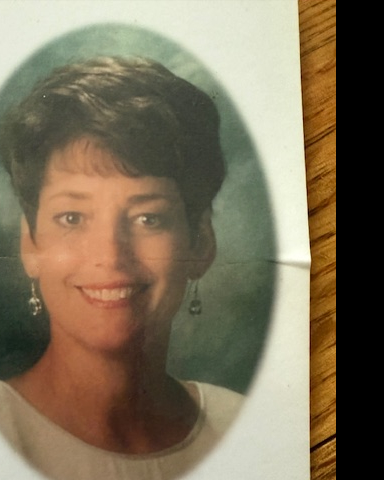
Advocacy groups have rallied together, emphasizing the potential risks of assisted suicide, particularly for those facing severe health challenges. Diane Coleman, a prominent voice in the disability rights community, has been a significant figure in this dialogue. Although Coleman has passed away, her legacy continues to inspire those advocating against the law.
The legislation, which allows terminally ill patients to request assistance in ending their lives, has sparked fierce opposition. Critics argue that it could lead to coercion and undermine the quality of healthcare for individuals with disabilities. The New York State Assembly and Senate have witnessed heated discussions as various stakeholders voice their concerns.
Supporters of the law argue that it provides a compassionate option for patients enduring unbearable suffering. They assert that the choice to end one’s life should be a personal decision, emphasizing autonomy and dignity. Yet, the opposition remains firm, citing the need for comprehensive palliative care instead of hastening death.
In July 2023, protests erupted across the state, drawing attention to the issue. Many demonstrators carried signs advocating for the rights of both patients and disabled individuals. They argue that effective healthcare should focus on improving the quality of life rather than facilitating death.
The debate has also attracted the attention of national organizations, which have expressed solidarity with local advocates. Groups such as the Disability Rights Education and Defense Fund have issued statements highlighting the potential dangers that such legislation poses to vulnerable communities. According to a recent survey by the organization, approximately 70% of individuals with disabilities oppose assisted suicide laws, fearing they may be pressured into making life-ending decisions.
As the discussion continues, the question of how to best support individuals with terminal illnesses remains at the forefront. Advocates for improved healthcare options argue for better access to pain management and mental health resources. They believe that enhancing existing services can alleviate suffering without resorting to assisted suicide.
In the coming months, New Yorkers will continue to engage in this critical conversation. The clash between individual rights and the protection of vulnerable populations poses significant ethical and moral dilemmas. With passionate voices on both sides, the outcome of this debate will have lasting implications for healthcare policy in the state.
As community members and advocates work to ensure that all voices are heard, the legacy of individuals like Diane Coleman will remain a guiding force in the fight for compassionate and equitable healthcare.