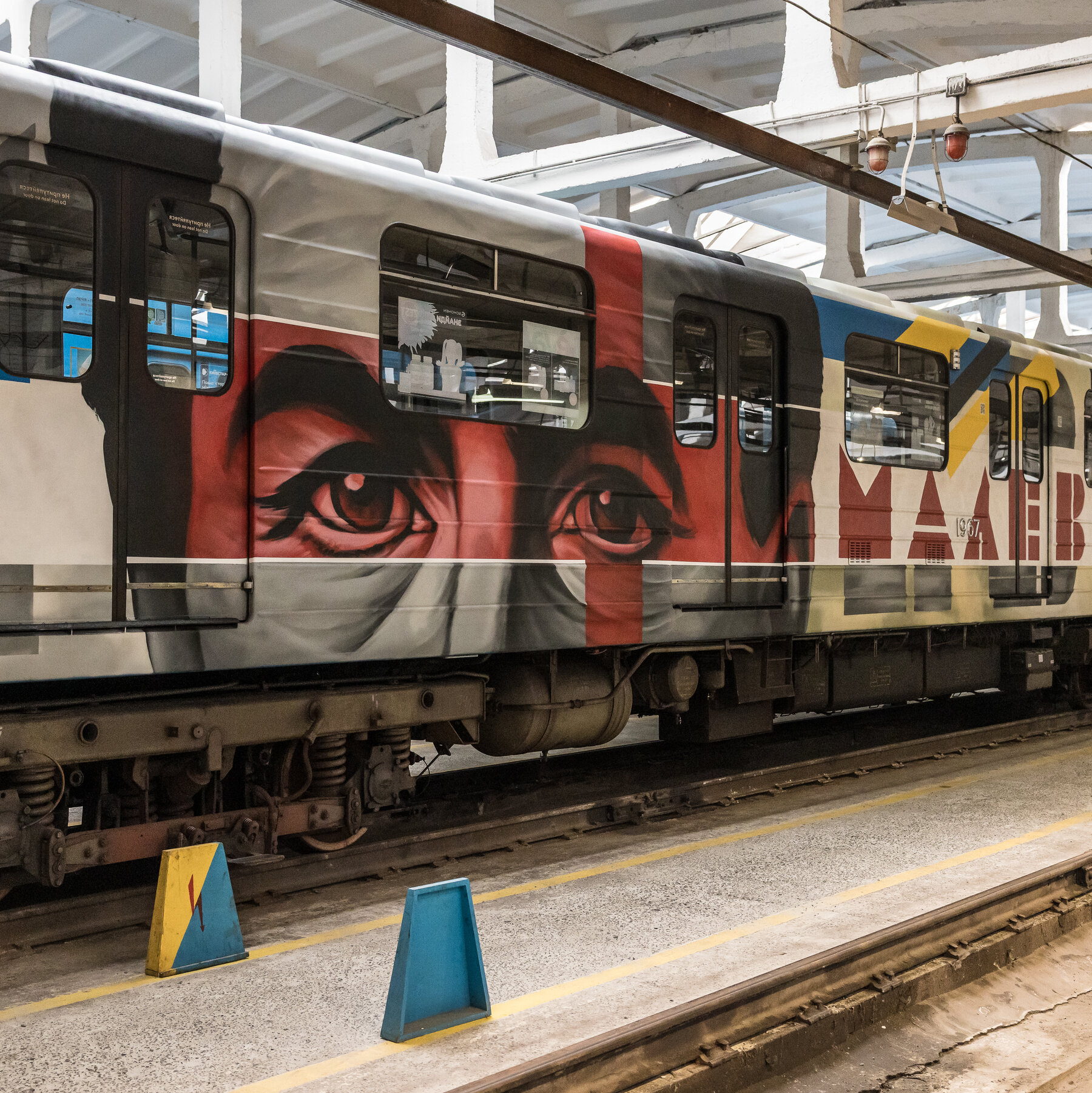
Ukraine is intensifying efforts to reclaim the cultural legacy of avant-garde artist Kazimir Malevich, emphasizing his Ukrainian roots in a bid to counteract the longstanding influence of Moscow on the nation’s cultural identity. The initiative comes as part of a broader movement to reinforce a distinct Ukrainian narrative amid ongoing conflict and cultural tensions.
The Ukrainian Ministry of Culture has taken steps to highlight Malevich’s contributions to the Ukrainian avant-garde movement, particularly his iconic work, Black Square, created in 1915. This painting, which has become symbolic of modern art, is now being recontextualized within the framework of Ukrainian heritage, shifting the conversation from his Russian associations to his formative years spent in Ukraine.
In recent exhibitions, art historians and curators have focused on Malevich’s early life, showcasing his upbringing in Kyiv and his initial inspirations drawn from Ukrainian folk art. This cultural reclamation is seen as essential for reinforcing national identity, especially as Ukraine navigates a period of intensified scrutiny over its historical narratives and cultural symbols.
As part of this initiative, the National Art Museum of Ukraine has organized a series of events and displays, focusing on Malevich’s works that reflect his Ukrainian connections. These efforts not only aim to educate the public but also to reclaim a narrative that has often been overshadowed by Russian interpretations of his art.
The move to emphasize Malevich’s Ukrainian heritage is indicative of a larger trend within Ukraine, where artists and cultural leaders seek to redefine the country’s artistic landscape. By promoting figures like Malevich, Ukraine hopes to foster a sense of unity and pride, reinforcing the notion that its cultural contributions are distinct and deserving of recognition on the world stage.
This cultural push is particularly poignant given the current geopolitical climate, where the arts play a critical role in shaping national identity. As Ukraine continues to resist external influences, the reclamation of its cultural icons serves as both a political statement and an act of preservation.
In conclusion, Ukraine’s efforts to assert Kazimir Malevich’s Ukrainian roots reflect a broader commitment to redefining its cultural identity. By highlighting the contributions of this renowned artist, the country aims to strengthen its narrative and celebrate its unique heritage in the face of ongoing challenges.