BREAKING: The Archdiocese of New Orleans has just reached a historic $230 million settlement for survivors of clergy sexual abuse, bringing an end to a lengthy bankruptcy case. U.S. District Judge Meredith Grabill approved the settlement, marking a pivotal moment for survivors and a significant milestone in one of the nation’s most extensive church bankruptcy cases.
This resolution follows over 600 claims of sexual abuse against the archdiocese, highlighting the urgent need for accountability and reform. The settlement not only compensates victims but also initiates key reforms aimed at protecting children, with actions scheduled to begin as early as December 26, 2023.
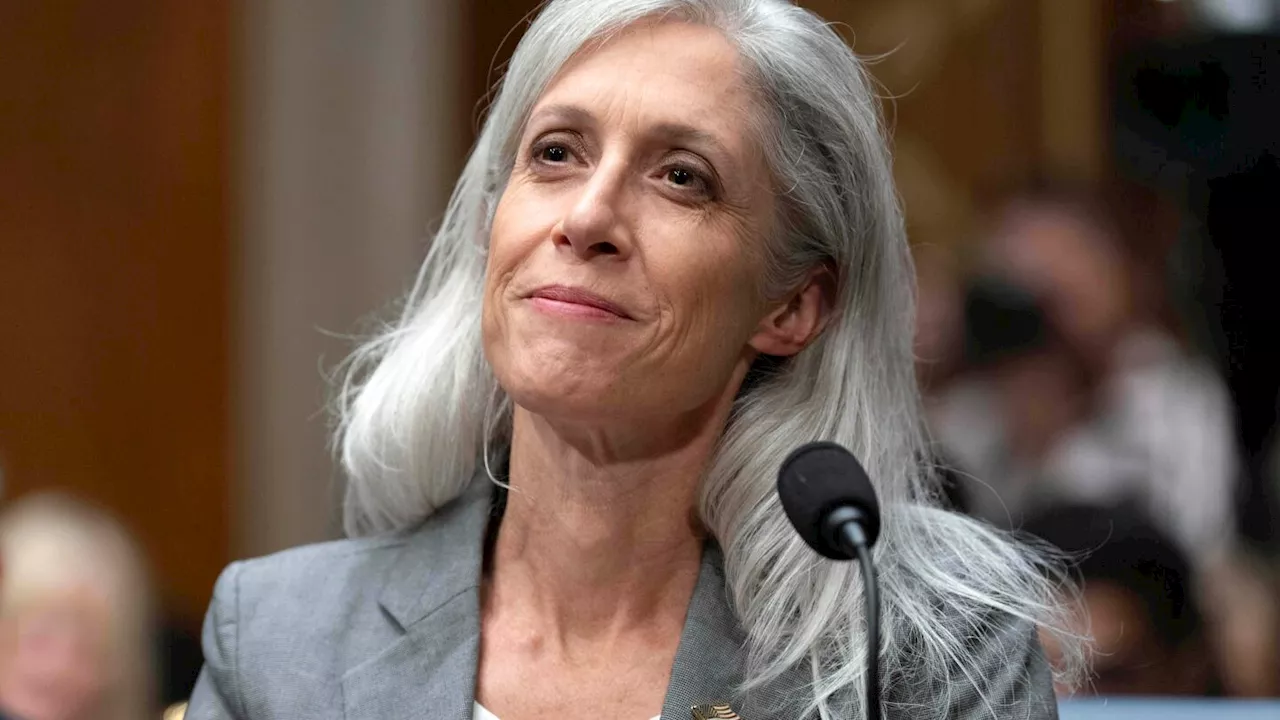
Judge Grabill, during the emotionally charged proceedings, expressed deep empathy for the survivors, stating, “I heard you and ached for you.” This acknowledgment underscores the profound impact of the testimonies shared throughout the trial.
The financial breakdown of the settlement is as follows: $130 million in cash from the archdiocese, $70 million from the sale of its affordable housing program, and approximately $30 million provided by insurance companies, including Travelers Insurance Co.. The payout system will utilize a points-based assessment to evaluate the severity of each claim, a process that has drawn criticism from some survivors.
Enhanced protective measures are set to be implemented by January 1, 2026, which include stricter standards for reporting and investigating abuse allegations, as well as improved communication with survivors. One survivor, Neil Duhon, poignantly remarked, “This legal thing may end, but the trauma done to us will not ever end,” emphasizing the lasting effects of the abuse.
Additionally, the settlement mandates the establishment of a public archive at LSU, containing thousands of pages of documents related to abuse claims. This move towards transparency marks a significant shift from the previous culture of secrecy surrounding these cases.
Despite this progress, concerns loom over the archdiocese’s expenditure of over $50 million in legal fees, which are not included in victim compensation. The ethical implications of reducing survivors to mere numbers through a points system have also sparked outrage. Duhon criticized this approach, stating, “Survivors are being reduced to numbers. Where’s the humanity in that?”
As the Archdiocese of New Orleans moves forward with these reforms and compensation efforts, the release of records related to abuse claims will soon be made available at LSU in Baton Rouge, furthering the call for accountability and justice.
The developments in this case are being closely watched as the archdiocese takes steps to address past abuses and implement necessary reforms. This settlement is not only a financial resolution but also a critical step towards healing for many survivors.