A recent survey from the Harvard Institute of Politics reveals a startling level of disillusionment among young Americans. The study finds that nearly 64 percent of adults under 30 believe the U.S. political system is either in trouble or has completely failed. This grim outlook is coupled with a mere 32 percent who view the United States as a healthy democracy. The survey highlights a generational divide, with 57 percent of respondents indicating that the country is on the wrong track.
The findings prompt critical questions about how the nation transitioned from the prosperity of the post-World War II era to the current landscape of distrust and dissatisfaction. According to pollster John Della Volpe, understanding this journey is essential to grasping the frustrations expressed by today’s youth.
The 1970s marked a pivotal decade in American politics, witnessing the end of the Vietnam War and significant political upheaval. During this period, the modern Republican Party began to take shape. Prior to the 1980s, the U.S. economy thrived under high income tax rates for the wealthy, with a top bracket of 91 percent. This environment allowed for substantial public investment in education, infrastructure, and social services.
When Ronald Reagan took office in 1981, he introduced a series of policies that fundamentally shifted the economic landscape. These included dramatic tax cuts for the wealthy, deregulation, and a reduction in social services. The promise of these policies was that they would stimulate economic growth and create jobs. Instead, wealth has increasingly concentrated in the hands of a small number of individuals. Over the past 44 years, more than $50 trillion has been transferred from the bottom 90 percent of earners to the top 1 percent, leading to the highest levels of income inequality among developed nations.
The consequences of these changes are stark. The proportion of Americans considered middle class has plummeted from over 65 percent to less than half. Today, it often requires two full-time incomes to achieve the lifestyle that one income could support in 1980. The shift in economic policy is mirrored by a deterioration in public safety and health, with rising gun violence and medical bankruptcies attributed to a fragmented healthcare system driven by corporate interests.
Moreover, educational reforms have raised concerns about the future of American civic understanding. The reduction of civics education and the emphasis on standardized testing have left many young people unable to engage meaningfully in democratic processes. This lack of engagement is underscored by alarming trends in youth voter turnout and participation in political discourse.
On the environmental front, the ongoing climate crisis has been exacerbated by a political refusal to acknowledge the realities of global warming. Despite overwhelming scientific evidence, the narrative perpetuated by some factions within the Republican Party, which continues to dismiss climate change as a hoax, has delayed critical action for decades.
The Supreme Court’s ruling in the Citizens United case, which equated money with free speech, has further complicated the political landscape. This decision has allowed for an influx of dark money into politics, resulting in a political climate rife with division and extremism.
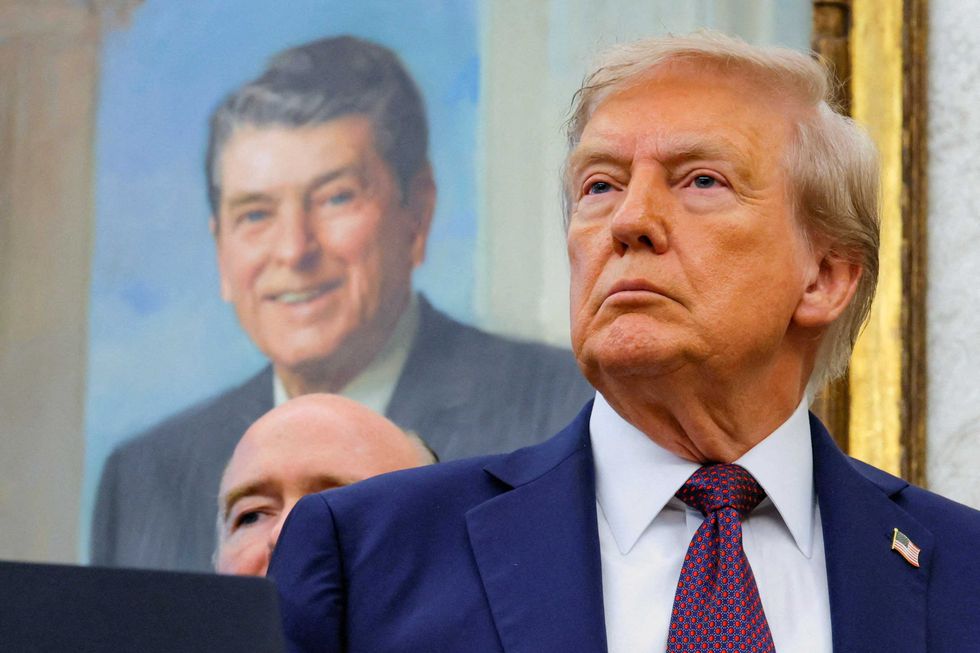
Now, as young Americans grapple with these enduring issues, former President Donald Trump is advocating for a radical shift away from democratic principles, calling for an abandonment of the rule of law in favor of an authoritarian approach. This stance has only deepened the discontent felt by many young voters, who are increasingly vocal about their rejection of the status quo.
In light of these developments, the challenge ahead lies in addressing the concerns of young Americans and rebuilding trust in institutions that many now view as fundamentally flawed. As they seek to reclaim their future, it is clear that a new, progressive America is emerging from the shadows of previous political experiments. The urgency of their demands reflects a broader call for systemic change that could reshape the nation in the years to come.