
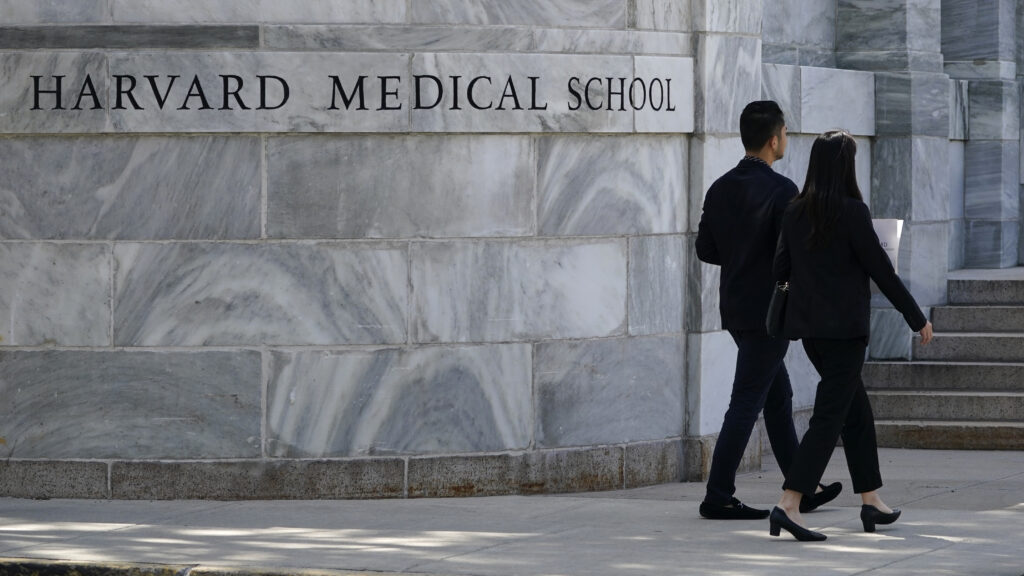
At a recent investor conference in New York, the effects of funding cuts initiated during the Trump administration were laid bare as a distinguished Harvard computational biologist faced significant financial challenges. The cuts have critically impacted research initiatives, leading to a situation where vital projects may struggle to secure necessary resources.
The conference featured prominent discussions, including remarks from Dr. Vinay Prasad, the chief of vaccines at the U.S. Food and Drug Administration (FDA). Prasad expressed his frustration over what he termed “misleading media narratives” surrounding his recommendations for more extensive studies on updated vaccines. His proposals have provoked a notable backlash, resulting in an unusual public rebuke from 12 former FDA commissioners, who have raised concerns about the implications for vaccine development.
Prasad’s stance has emerged as a focal point of contention within the scientific and investment communities. His call for larger and longer studies reflects a cautious approach to vaccine efficacy and safety, particularly in light of evolving viral strains. Many in the scientific community argue that while thorough research is essential, the potential delays could hinder timely access to updated vaccines, especially as public health needs evolve.
At the same time, the financial ramifications of federal funding cuts are affecting researchers and institutions nationwide. The impact on the Harvard lab highlights a broader trend where vital scientific research may be compromised due to shifts in political priorities. The cuts have left many programs struggling to maintain their operations, raising alarms about the future of innovation in biotechnology.
The ongoing debate surrounding vaccine research and funding underscores a critical juncture for public health policies. The tension between ensuring vaccine safety and the urgency of addressing public health crises presents a complex challenge for policymakers and researchers alike.
In conclusion, the discussions at the conference illustrate the intricate relationship between science, funding, and public health. With voices like Vinay Prasad advocating for rigorous research standards, the path forward remains fraught with challenges that could shape the future of vaccine development and public health responses. As the landscape evolves, continuous engagement and dialogue among stakeholders will be crucial in navigating these pivotal issues.


