Madison County Recovery Allies (MCRA) has made significant strides in expanding its support services for individuals dealing with substance use and behavioral health disorders. After relocating to a much larger facility in March 2025, MCRA is now poised to extend its outreach to neighboring counties, aiming to address the growing need for recovery resources in the region.
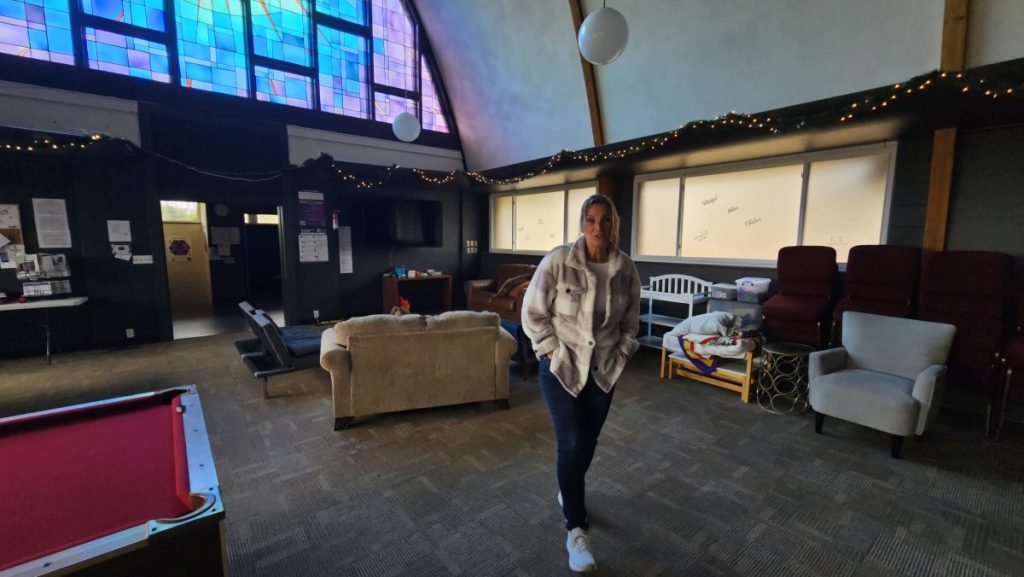
The new Recovery Community Center, housed in a former church, is ten times larger than MCRA’s previous location. According to MCRA Director Karen Moser, an anonymous donor played a crucial role in securing the building, which has since become a vibrant hub for community interaction and recovery activities. The center is designed to be welcoming, offering a recreation room complete with games, snacks, and resources for individuals seeking support.
MCRA has experienced remarkable growth since its inception in 2022, assisting approximately 150 individuals this year alone. With a focus on peer support, many of the staff members have personal recovery experiences, allowing them to connect authentically with clients. Moser emphasized that the center is not merely an office; it serves as a safe space for individuals in recovery to gather, engage in social activities, and participate in group sessions such as the evidence-based program “SMART Recovery.”
Community involvement has been a cornerstone of MCRA’s efforts. Recently, volunteers from Big Creek Church in Marquand joined clients for a communal dinner, fostering a sense of belonging and support. Moser noted that clients often contribute to community service projects, enhancing the local environment while furthering their own recovery journeys. These initiatives include cleaning historical sites and transforming neglected areas into inviting spaces.
The need for expanded services is evident. MCRA has received additional funding from the state’s opioid task force to support its initiatives. Moser expressed her desire to see a future where the center is no longer needed, stating, “I’d love to shut the doors because everybody’s in recovery and nobody needs us.” She believes the increasing number of individuals seeking help indicates a growing awareness of recovery options.
MCRA aims to address the needs of communities beyond Madison County. Since September, the organization has begun outreach efforts in nearby counties, such as Iron, Bollinger, and St. Francois, which currently lack adequate recovery housing. Moser highlighted that these areas do not offer the same level of support as MCRA, making the organization’s expansion critical.
The services provided by MCRA are diverse and tailored to individual needs. Clients can access resources ranging from food stamp applications to legal consultations and transportation assistance. Moser noted that transportation remains a significant barrier for many individuals seeking recovery support.
As MCRA looks to the future, its staff has grown from three to eight members, with plans for further expansion. The organization emphasizes a holistic approach to recovery, incorporating various paths, including clinical services and medication-assisted treatments, while respecting individual preferences regarding faith and spirituality.
With a clear commitment to fostering community connections and facilitating recovery journeys, MCRA is becoming a vital resource in the region. As Moser stated, “People are asking for a way out. They’re asking for help, they’re asking for connection.” The ongoing momentum indicates that the impact of MCRA’s work is not only felt within its walls but resonates throughout the wider community, inspiring others to seek recovery and support.
In summary, the expansion of Madison County Recovery Allies represents a significant step forward in addressing substance use and behavioral health challenges in the region. The organization’s commitment to providing comprehensive support and fostering community engagement is paving the way for a brighter future for individuals on the path to recovery.