The U.S. military’s recent anti-drug operations, particularly under the leadership of Secretary of War Pete Hegseth, have sparked considerable controversy and raised serious legal and ethical questions. Reports indicate that Hegseth ordered military forces to adopt a strategy of “maximum lethality,” leading to directives that included the striking of suspected drug traffickers with the intent to “kill everybody.” This approach has resulted in approximately 80 fatalities to date.
According to a report by The Washington Post, the military’s first engagement in this campaign occurred off the coast of Trinidad, where an operation left two survivors from an intercepted vessel. Following Hegseth’s orders, military command subsequently authorized a second strike against these survivors. Critics argue that such actions violate international laws of war, as they target individuals who are not actively engaged in combat.
The administration claims that suspected drug traffickers qualify as “narco-terrorists,” thereby justifying military action against them. This controversial stance is rooted in the assertion that drug profits are being funneled into efforts against the United States and its allies. Yet, many international law experts have challenged this rationale, emphasizing that those on the boats are typically suspected criminals who should be arrested rather than executed.
In early November, a resolution aimed at requiring congressional approval for military actions against Venezuela was narrowly defeated in the U.S. Senate, with a vote of 49–51. This defeat underscores the administration’s commitment to its current strategy, despite ongoing debates about its legality. Critics, including former military lawyer Todd Huntley, have expressed that such orders can constitute war crimes, particularly when they involve targeting individuals who are no longer in a position to fight.
Responses from the administration have been defensive. Hegseth took to social media to denounce the reporting from The Washington Post as “fabricated, inflammatory, and derogatory.” He asserted that the operations adhere to U.S. and international law, claiming compliance with the laws of armed conflict.
As investigations into the initial strike continue, Donald Trump has characterized the operation as “very lethal, it was fine,” while distancing himself from the decision to pursue a second strike. The president’s comments reflect a willingness to engage in aggressive military tactics in a broader context of U.S.-Venezuela relations, which remain tense.
In the backdrop of these military actions, a separate incident in Washington, D.C., has also garnered attention. Sarah Beckstrom, a member of the West Virginia National Guard, was killed in a shooting incident, while another guardsman, Andrew Wolfe, remains in critical condition. The suspect, Rahmanullah Lakanwal, is an Afghan national who had previously worked with a CIA-organized counterterrorism unit.
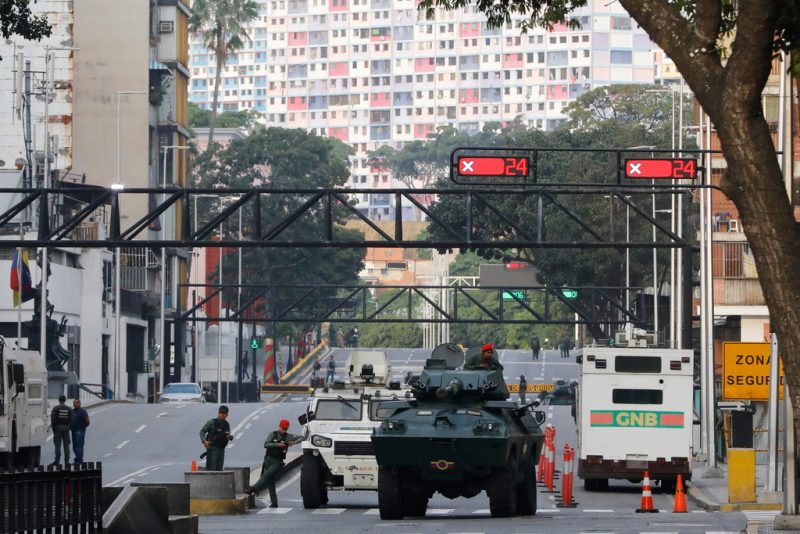
The U.S. military’s ongoing anti-drug campaign and its implications for international law continue to fuel debates among policymakers, legal experts, and human rights advocates. As the situation unfolds, the potential for further escalation in U.S.-Venezuela relations remains a significant concern. The complexities of the operations and their legal justifications highlight the challenges facing the current administration in navigating both domestic and international law.