Shoppers embraced artificial intelligence (AI) tools during this year’s Black Friday, resulting in a remarkable spending surge. Total online expenditures reached nearly $12 billion, marking a 9% increase compared to the previous year, according to data from Adobe Analytics. This significant boost highlights the growing influence of AI in shaping consumer behavior as the holiday shopping season begins.
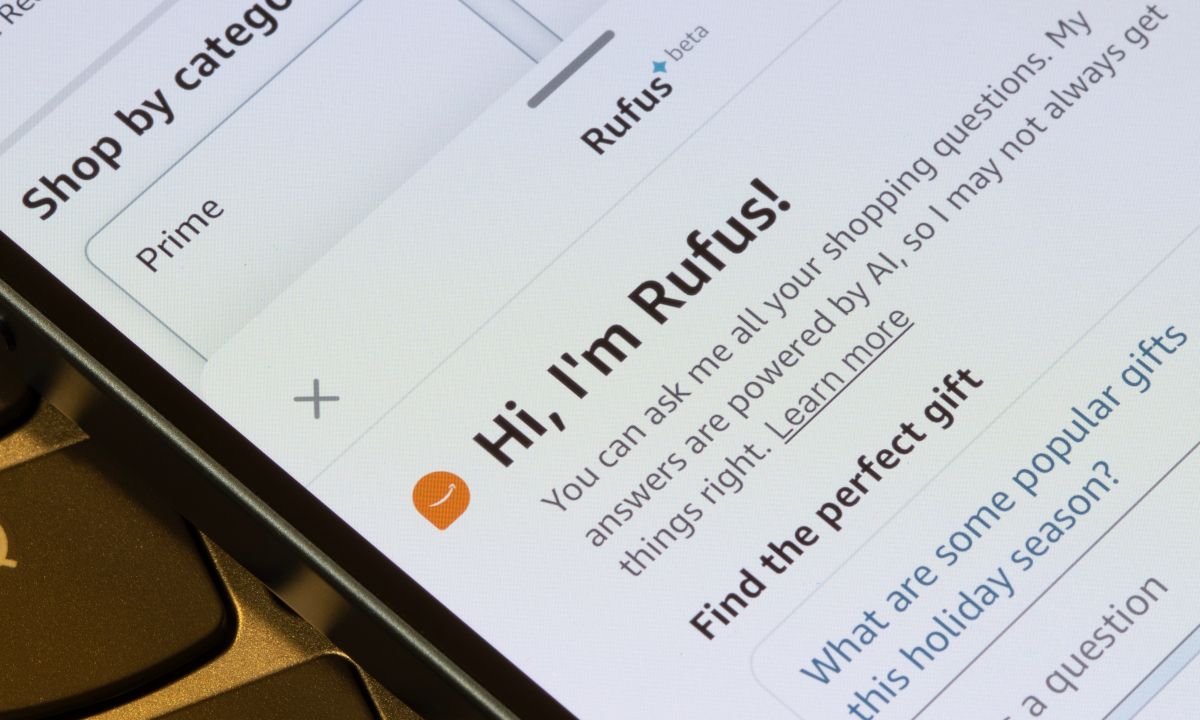
The rise in spending can be attributed to a staggering 805% increase in AI-driven traffic to retail websites across the United States. The launch of AI shopping assistants, such as Walmart’s Sparky and Amazon’s Rufus, has enhanced the online shopping experience. As noted by Suzy Davidkhanian, an analyst at eMarketer, “Consumers are using new tools to get to what they need faster.” She emphasized that large language models (LLMs) streamline the gift discovery process, helping to alleviate the stress often associated with holiday shopping.
Consumer Spending Trends and Economic Outlook
In a broader context, the National Retail Federation anticipates that consumers will collectively spend over $1 trillion during the months of November and December, with year-over-year growth projected between 3.7% and 4.2%. While this forecast would typically be considered optimistic, the economic climate in 2025 presents unique challenges. Research from PYMNTS indicates that a significant 26% of consumers faced difficulties in paying their bills as of September, the highest level in two years.
Walmart’s recent quarterly earnings reflect a shift in consumer priorities, with an increasing number of shoppers seeking value through digital channels. Despite uncertainties in the retail landscape, where questions about consumer spending persist, major retailers like Walmart and Amazon are adapting by focusing on self-generated opportunities for growth. PYMNTS reports that these industry leaders are operating under the assumption that navigating current challenges requires proactive strategies.
The Role of AI in Shaping Holiday Shopping
As highlighted by PYMNTS, AI’s impact extends beyond online shopping. The organization explored potential holiday trends using OpenAI’s ChatGPT. The chatbot suggested that online channels are expected to dominate holiday spending, bolstered by AI-powered search capabilities, retailer chat assistants, and personalized offers. However, there remains a strong inclination for consumers to visit physical stores for specific needs, such as apparel try-ons, electronics demonstrations, and last-minute gift purchases.
This dual approach aligns with PYMNTS’ findings, which indicate that while consumers increasingly browse online, they still prefer to visit stores to finalize their purchases. The integration of AI tools into the shopping process is reshaping how consumers interact with retailers, offering faster and more efficient ways to meet their shopping needs.
In conclusion, the impact of AI on this year’s Black Friday sales underscores a significant shift in consumer behavior. As technology continues to evolve, retailers must adapt to meet changing demands and capitalize on the opportunities presented by AI-driven solutions.